Whether the task is AI model training, software-as-a-service deliveries, or digital transactions processed in milliseconds, the future relies on data centers: vast, highly engineered physical facilities that form the backbone of the modern economy.
For Mercury Engineering, building these mission-critical environments is not simply construction. It is delivering the infrastructure that enables digitalization, cloud computing, financial systems, healthcare platforms, and increasingly, the green energy transition.
But before a single cable is installed or a cooling system commissioned, every project begins the same way: with a bid.
Key Results
- 90% reduction in graphic designer involvement in the tender process
- Seconds, not hours to update and republish fully formatted tender documents
- Increased bid volume handled by the same core team — scalability without administrative expansion
- Improved risk management — content can be refined until the very end, instead of freezing documents hours before deadline
Region
Europe
Company size
3 000+
Industry
Construction
Solution
XaitPorter
Engineering Trust Before the First Foundation Is Poured
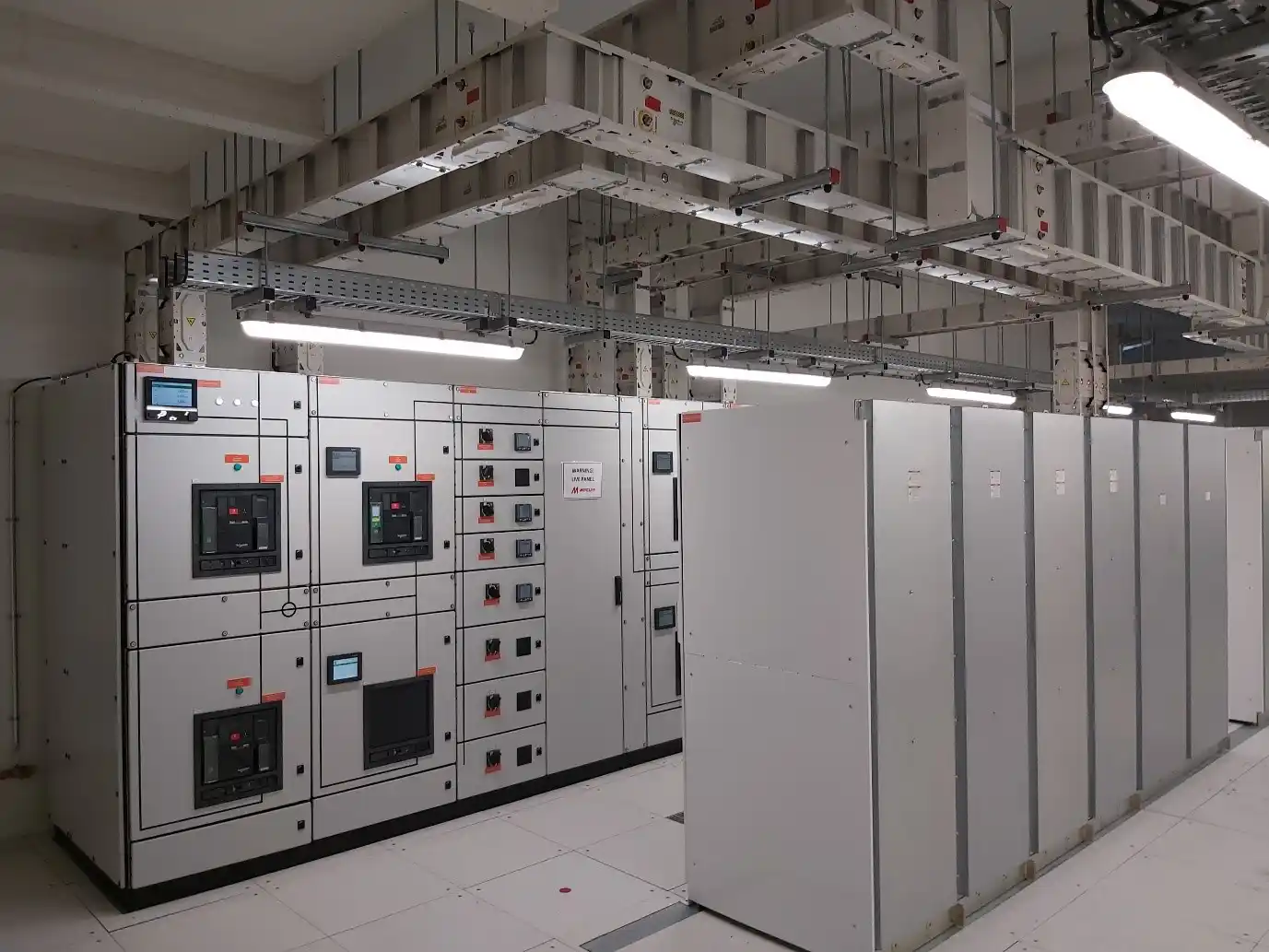
Founded in Ireland and operating across Europe, Mercury Engineering specializes in data centers and other mission-critical facilities where uptime, safety, and precision are non-negotiable. These are not conventional building projects. Hyperscale data centers require massive electrical capacity, advanced cooling and heat recovery systems, highly coordinated logistics, strict safety and quality standards, and aggressive delivery timelines.
About Mercury Engineering
Mercury is a European leader in construction solutions, specializing in the management of complex engineering and construction projects for many of the world’s most prominent corporations. By delivering advanced infrastructure and life-changing technologies, the company plays a vital role in connecting people, communities, and businesses globally. This work provides the essential foundation for clients to achieve significant technological and social advancements.
“...XaitPorter facilitates growth in a rapidly expanding market. It allows us to protect quality in high-stakes submissions, thus enabling scalability without administrative expansion. And let me add, it reinforces the professional discipline that clients expect”
– Oskar Larsson, Pre-construction Manager at Mercury Engineering
At the same time, sustainability expectations are rising rapidly. Clients demand energy-efficient designs, reduced carbon footprints, optimized resource usage, and alignment with broader climate goals.
"These facilities are essential for the digital future. But they also have to be built responsibly. Speed and sustainability must go hand in hand." — Oskar Larsson, Pre-construction Manager at Mercury Engineering
Winning such projects requires more than a competitive price. Clients must trust the contractor's execution capability, risk management, logistics planning, and team structure. That trust is built long before construction starts — it begins in the proposal.
“It’s a people’s business, the client needs confidence, not just in the numbers, but in how we plan to execute.”
– Oskar Larsson, Pre-construction Manager at Mercury Engineering
What Does a High-Stakes Data Center Tender Involve?
As Pre-construction Manager, Larsson leads the entire tender process. "When a client sends a request, we take ownership of the full submission," he explains. "We assemble the team, define the execution strategy, develop the schedule, coordinate with estimation on pricing, and structure the entire document."
A typical Mercury bid includes:
- 20–30 structured sections
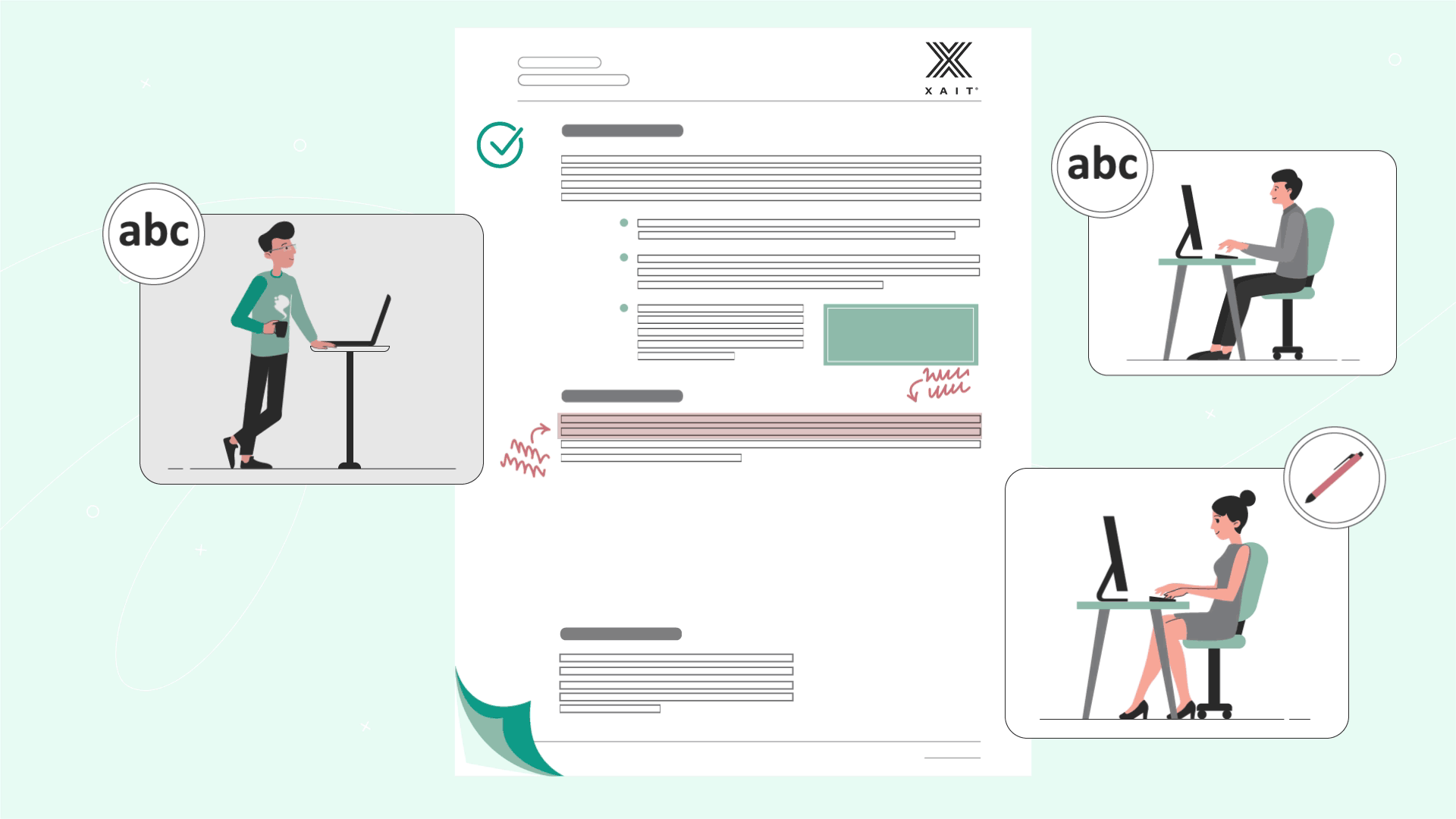
- 10–15 active contributors, plus additional reviewers across departments
- Cross-functional collaboration between engineering, operations, commercial, and estimation teams
- Tight deadlines and strict compliance requirements
Many of Mercury's projects involve repeat clients with well-established relationships. Still, every tender must demonstrate capability with clarity and discipline. The proposal is the first proof of that capability.
The Challenge: When Growth Exposes Structural Limits
Before adopting XaitPorter, Mercury relied on Microsoft Word, SharePoint, and Excel to manage tender documentation. For years, this approach was sufficient. But as project scale and bid volume increased, structural weaknesses became clear.
"We were writing in Word, collaborating in SharePoint, and tracking responsibilities in Excel. Technically it worked. But it required constant manual control."
The most significant pressure emerged toward the end of the process. After weeks of drafting and internal review, documents were handed over for graphic assembly — and any formatting inconsistencies, different styles, or changed numbering had to be corrected manually.
"If we discovered an issue close to the deadline, we had very little flexibility. Changes could take hours. Everything became time-critical."
Tracking progress across contributors was also fragmented. Section ownership and the status of completed versus in-review work could be unclear, and Excel lists provided only limited visibility. As Mercury expanded its tender capacity, the need for a more structured system became unavoidable.
The Solution: From Document Editing to Process Control
The turning point came with a simple realization: content and layout should not compete for attention.
"I had used LaTeX during my studies," Larsson says, referring to the document preparation system widely used in scientific publishing. "You focus on the content, and the layout is generated automatically. When we saw XaitPorter, that principle immediately made sense."
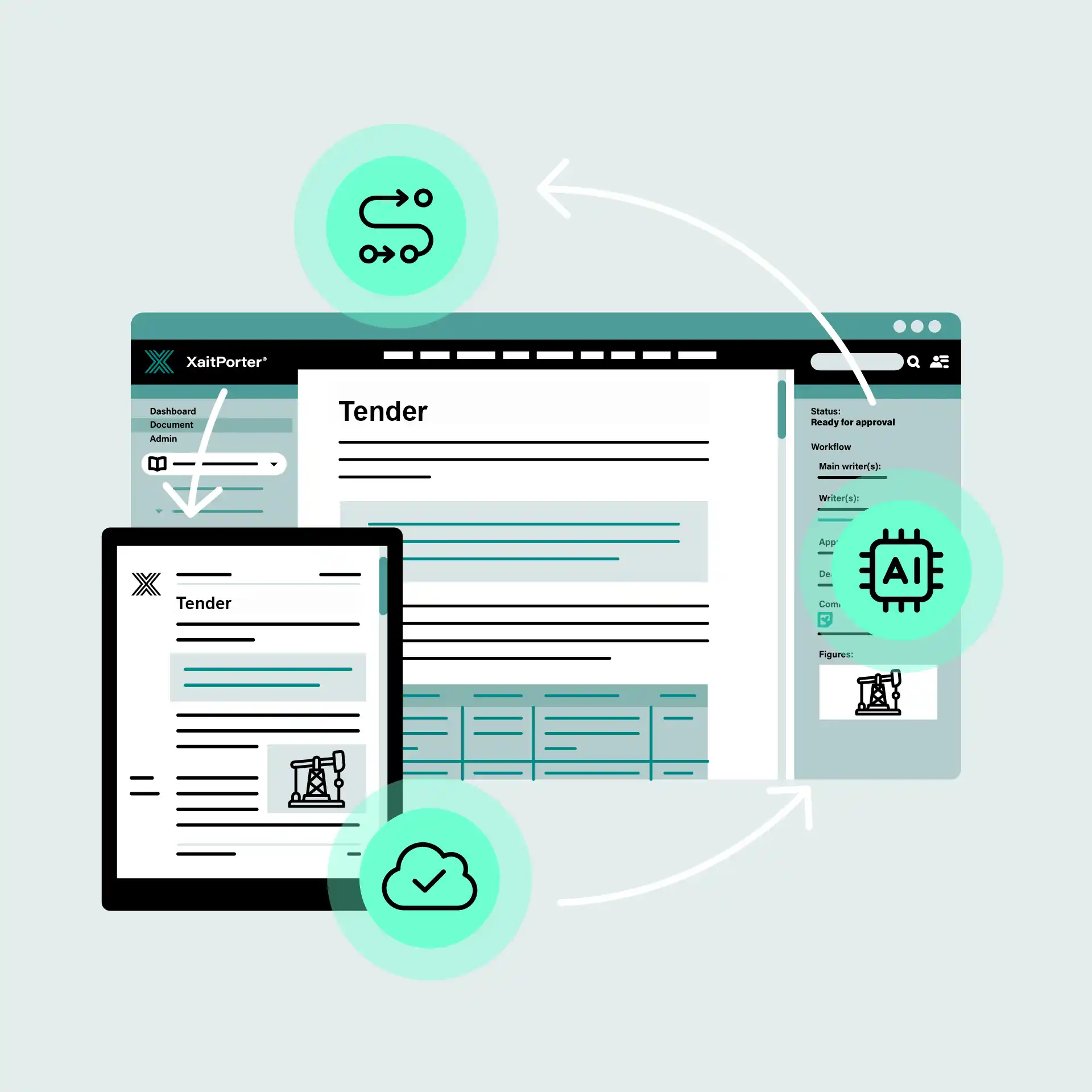
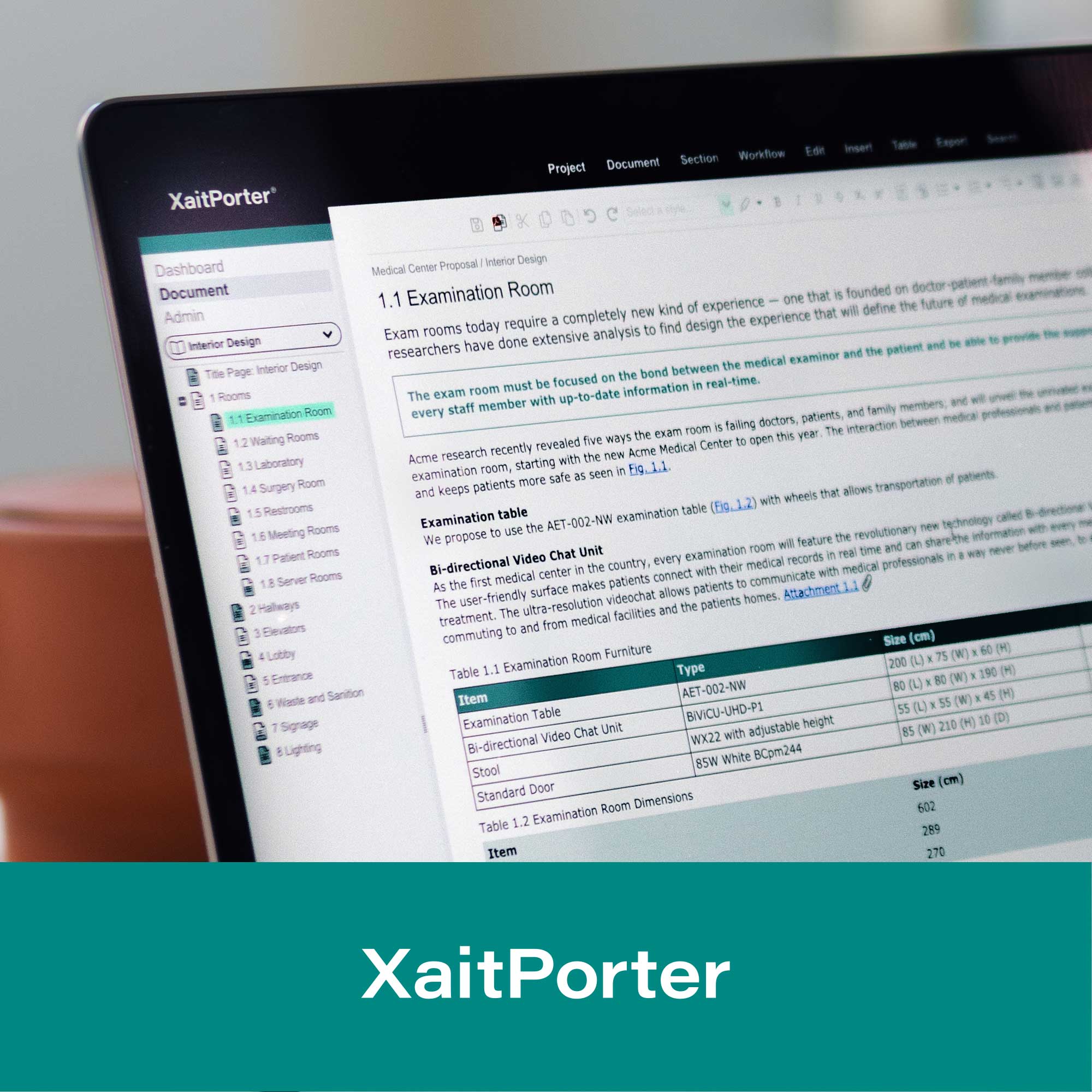
With XaitPorter, Mercury could:
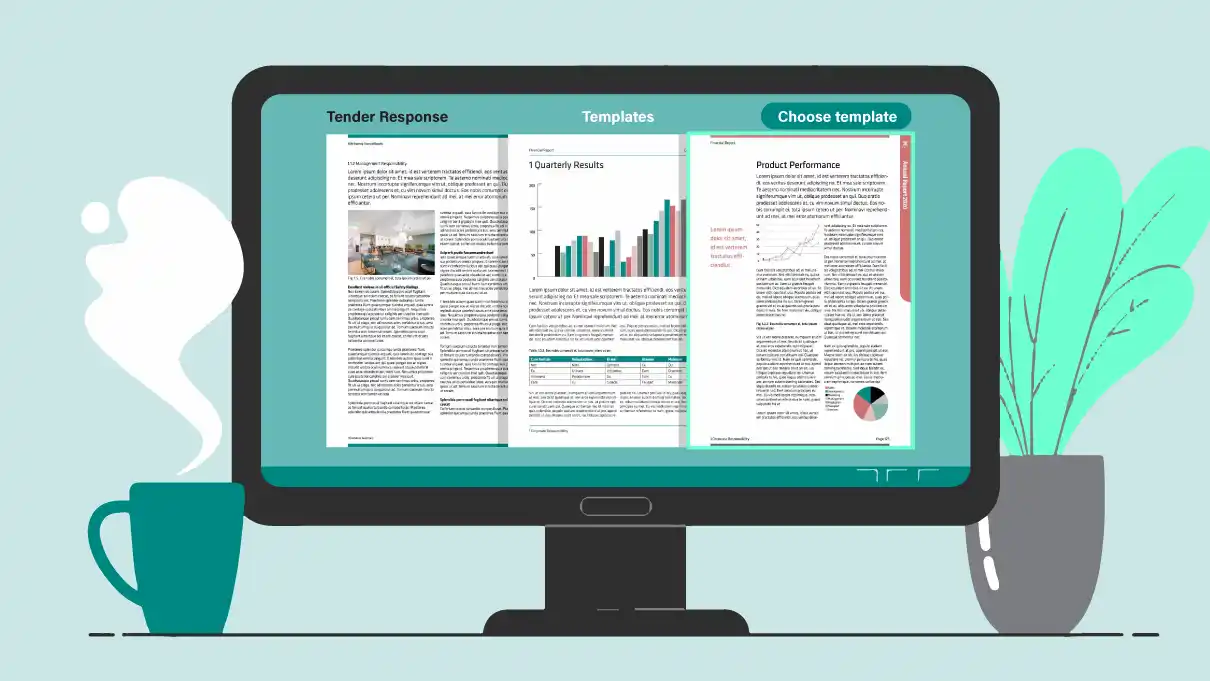
- Define structure through templates
- Assign ownership at section level
- Monitor progress in real time
- Separate content creation from formatting
- Publish instantly
Implementation moved quickly, driven internally by a core team of three to four people. "We saw the potential immediately," Larsson says. "We built our templates, went through training, and pushed it forward."
Change management required attention: while the core bid team adapted quickly, occasional contributors needed time to adjust to a new workflow. "In any organization, people are used to their tools," Larsson explains. "You have to show them how it improves their work." Over time, transparency and clarity replaced resistance.
“We saw the potential immediately,” Larsson says. “We built our templates, went through training, and pushed it forward.”
– Oskar Larsson, Pre-construction Manager at Mercury Engineering
How Does XaitPorter Change Deadline Risk in Large Tenders?
The most tangible impact appears in the final moments before submission. In the past, adjusting something on submission day could create major stress. Today:
"I can update and republish a fully formatted document in just a few seconds."
This flexibility fundamentally changes risk management in large tenders. Instead of freezing documents hours in advance to protect formatting integrity, Mercury can refine content until the very end. "You feel in greater control of the process," Larsson says. "That reduces pressure significantly."
Scaling Bid Volume Without Increasing Headcount
As demand for data center infrastructure has grown across Europe, Mercury's bid activity has increased accordingly. Without structural improvements, that growth would likely have required additional administrative resources.
"I don't think we could handle our current volume as fluidly without this system."
Mercury has increased its capacity while maintaining the same core team. Workflow visibility ensures clear section ownership, transparent progress tracking, reduced duplication of effort, and stronger accountability. Instead of managing formatting, bid managers focus on managing the narrative — with ownership of the full document resting with the bid lead.
The measurable outcome: Mercury has reduced graphic designer involvement in the tender process by 90 percent, while smaller changes in finished documents now take seconds rather than hours.
“I don’t think we could handle our current volume as fluidly without this system,”
– Oskar Larsson, Pre-construction Manager at Mercury Engineering
Proposal Quality as a Signal of Discipline
In mission-critical construction, perception matters. Clients evaluating multiple large-scale proposals look for clarity, consistency, and professionalism.
"A well-structured proposal reflects how you operate. It signals discipline."
With XaitPorter, numbering is always correct, templates ensure consistency, content libraries enable reuse, and layout remains professional regardless of contributor count. Engineers no longer struggle with formatting conflicts from pasted Word sections — they focus on what differentiates Mercury: execution strategy, logistics planning, safety systems, sustainability innovation, and delivery capability.
"You can concentrate on what creates value for the client. Not on fixing formatting."
“I can update and republish a fully formatted document in just a few seconds.”
– Oskar Larsson, Pre-construction Manager at Mercury Engineering
Supporting Europe's Digital and Green Transition
Data centers are expanding rapidly across Europe to support cloud computing, artificial intelligence, and digital public services. At the same time, regulatory frameworks and corporate sustainability commitments are reshaping expectations: facilities must optimize energy usage, integrate renewable power, reduce embodied carbon, enable heat reuse, and align with EU sustainability targets.
By removing administrative friction in the proposal phase, Mercury's teams can focus more on engineering innovation and sustainable execution strategies — the areas where they create true competitive differentiation.
“It is embedded in the company’s standard tendering process. XaitPorter facilitates growth in a rapidly expanding market. It allows us to protect quality in high-stakes submissions, thus enabling scalability without administrative expansion. And let me add, it reinforces the professional discipline that clients expect”
– Oskar Larsson, Pre-construction Manager at Mercury Engineering
Reducing Stress Through Structure
According to Larsson, stress in tendering often stems from two causes:
- Uncertainty about how to solve the task
- Insufficient resources to execute it
"XaitPorter addresses both. You have structure, transparency, and flexibility."
Visibility across sections reduces uncertainty. Automated publishing reduces risk. Clear ownership reduces duplication. Rather than reacting to formatting problems, the team operates proactively — and that control has become part of Mercury's commercial backbone.
More Than a Document Tool
For Mercury Engineering, XaitPorter is no longer just a software platform:
"It is embedded in the company's standard tendering process. XaitPorter facilitates growth in a rapidly expanding market. It allows us to protect quality in high-stakes submissions, thus enabling scalability without administrative expansion. And let me add, it reinforces the professional discipline that clients expect."
In a sector where precision defines success and sustainability defines the future, structure is not optional. It is strategic. And for Mercury Engineering, that structure begins long before construction — with every proposal they submit.
FAQ: Mercury Engineering and XaitPorter
What results did Mercury Engineering achieve with XaitPorter?
Mercury Engineering reduced graphic designer involvement in its tender process by 90%, cut the time for last-minute changes to finished documents from hours to seconds, and increased its bid volume without adding administrative headcount.
What software does Mercury Engineering use for data center tenders?
Mercury Engineering uses XaitPorter, a co-authoring and document automation platform, to manage its tender process — replacing a previous workflow based on Microsoft Word, SharePoint, and Excel.
How does XaitPorter help with tight tender deadlines?
XaitPorter separates content from layout, so fully formatted documents can be updated and republished in seconds. Instead of freezing documents hours before a deadline to protect formatting, teams can refine content until the very end.
How does XaitPorter support collaboration on large tenders?
XaitPorter assigns ownership at section level, tracks progress in real time, and lets 10–15 or more contributors work simultaneously — giving the bid lead full visibility and control over a 20–30 section document from start to submission.