



















5 Key Steps to Implementing CPQ
By Cheryl Smith
15 min read
In today’s competitive B2B landscape, accelerating the time it takes you to close deals is crucial. That’s where Configure, Price, Quote (CPQ) software comes in. CPQ software automates quoting, allowing your sales team to generate accurate and customized quotes quickly and efficiently. However, implementing a new software system requires careful planning and execution.
Contents
- Define Your Needs and Goals
- Assemble the Right CPQ Project Team
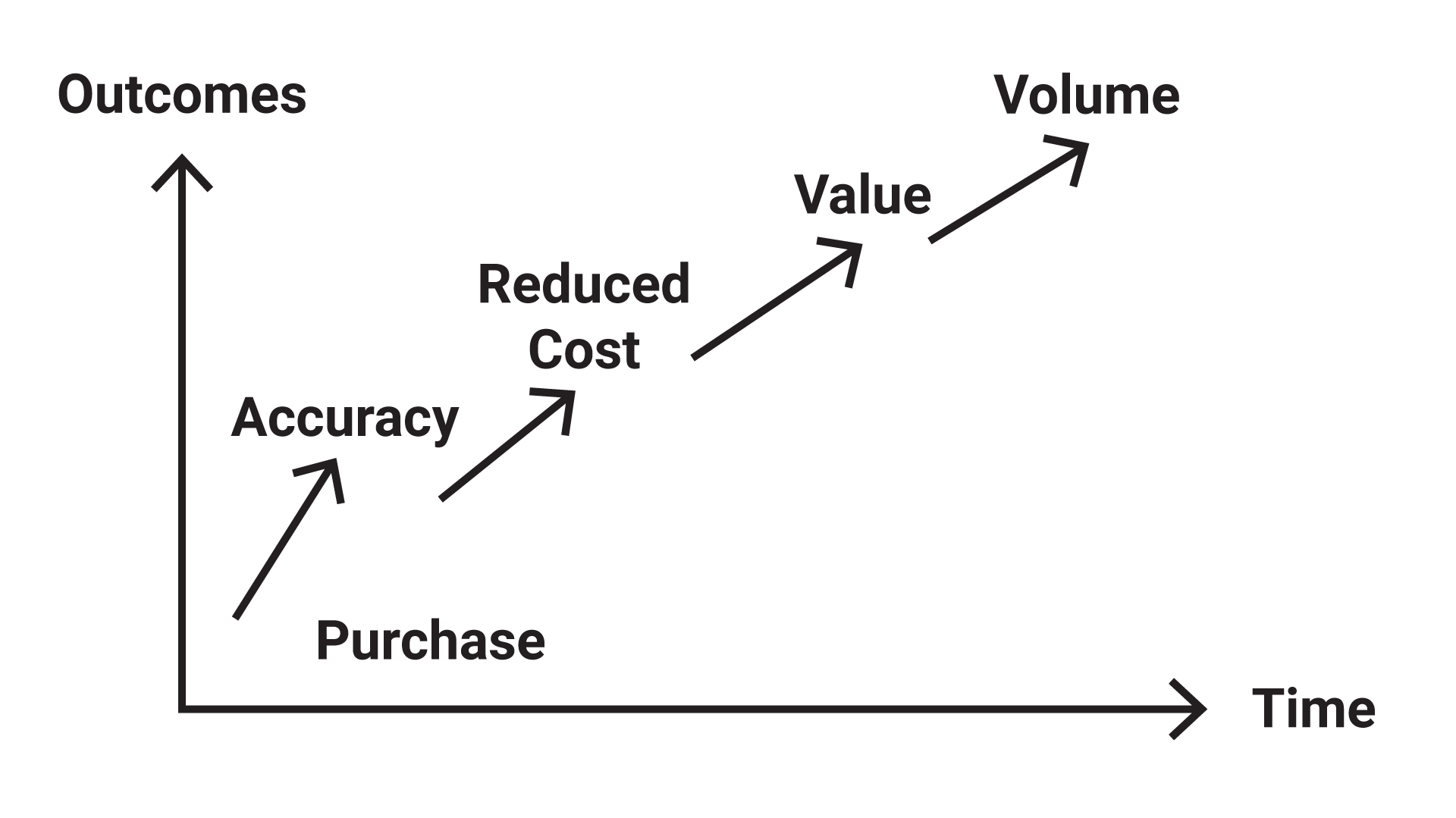
- Prioritize Your Outcomes
- Understand the Impact of Your Business Decisions
- User Training and Adoption
- Conclusion
About the author
Cheryl Smith
Senior Content Writer
Cheryl Smith has been writing and managing proposals since 1998. Shipley trained, she has helped establish proposal centers and advised on capture strategy, coached orals teams and lead marketing, communications and knowledge management programs. Cheryl is a graduate of The George Washington University with degrees in Theatre, Communications and Literature.
Here are 5 key steps to ensure a successful CPQ implementation.
Define Your Needs and Goals
A significant predictor of your CPQ success is the courage to think big. While the urge to recreate your existing process in CPQ is tempting, it will not yield the results you’re banking on. It will simply replicate your current obstacles and efficiencies. You'll miss out the features that can significantly accelerate your sales process, like automated workflow and guided selling.
Instead, begin by looking closely at your sales process. You established it as a coordinated roadmap for converting prospects to customers. What happens when that process isn’t working properly? Workarounds and delays naturally creep in causing friction and resource waste along the path to closing deals.
Rethink how your sales team works and why buyers engage and purchase. Rebuild through a series of tactical, incremental changes that drive specific business outcomes.
71
%
Time spent on data entry
35.2
%
Time spent
selling
- 71% of sales reps say they spend too much time doing data entry (The Economist).
- Only 35.2% of their time is spent actively selling (Forbes).
What obstacles are slowing down your sales process?
|
What are your sales team's pain points? |
Sales reps want to sell. But complex solutions and pricing, spreadsheets and multiple systems, errors and revisions, frustrate their productivity. You want to eliminate complexity, errors and revisions to boost productivity. |
|
What would make it easier to buy from you? |
Buyers and customers want to purchase. Delays and errors quickly erode their trust. And allow competitors time to turn their heads in their direction. You want to deliver accurate, personalized quotes to more buyers first. |
|
How can you better align your quoting process with your business goals? |
You want to sell more and optimize profitability. But your products, services, and projects are complex and your sales cycle is lengthy. You want to reduce the amount of time and expertise it takes your sales team requires to configure accurate, personalized solutions. |
|
What KPS capture the impact of your desired outcomes? |
Successful CPQ projects begin with the end in mind. Identify KPIs now for the measurable metrics you need to assess performance and ROI. For example, consider elapsed time to respond to quote requests, percent of quotes issued without errors, or the number of people able to quote accurately without peer review. |
Assemble the Right
CPQ Project Team
Involve the right players from the start. This will help you prevent knowledge gaps and misunderstandings that can cause missed deadlines, unmet requirements and cost overruns.
Assembling the right team, also increases stakeholder buy-in and commitment to project success. It also fosters a sense of ownership among users that reduces potential resistance.
Striking the right balance between skills and experience, insights and influence is another significant predictor of CPQ success.
Project manager
who knows how to drive effective use of resources and time, avoid overruns and delays, and keep your team on track.
Sales Reps
who use your sales process to provide feedback on usability and play a crucial role in roll-out and adoption.
Subject Matter Expert
who know how to configure and price your solutions and help translate your needs into your tailored CPQ system.
Early Adopters
who demonstrate project enthusiasm, help you lead the way, testing, providing feedback and motivating other users.
Sales Operations
who know your sales process help you optimize your workflows and miximize the software's potential.
Change Managers/Trainers
who understand your needs, how users will use the new software and help them navigate change to ensure a smooth transition.
IT Experts
who know your supporting systems operate help eliminate data and ensure data flows smoothly. Think CRM and ERP integration.
Marketing
who understand quote output, including layout and messaging of your documents, digital sales rooms, and buyer self-service.
Application Architects
who understand the impact of every project decision, including performance, adoption and maintenance.
"Involve all areas of the business who are impacted by the quoting process from the start of the project. This ensures that everyone has an aligned view of the desired outcome, ideal processes, and user experience. And an agreement from all stakeholders on what is essential and non-essential to include when building the system."
- Jenny Stork, Customer Success Manager
Discover how our customers have implemented CPQ
More on key steps on how to implement CPQ below
#3 Prioritize Your Outcomes
Where organizations struggle with CPQ, is with the urge to do too much, too soon. It may be tempting to try to solve all your process problems at once, but this can lead to feeling disappointed. Where interest wanes, stakeholders lose trust, and CPQ implementations fail to deliver.
Big Bang:
Risks:
"By taking an incremental approach, you mitigate these risks. This approach allows for the delivery of portions of the project at planned intervals, leading to earlier feedback and realization of benefits."
– Kevin Geraghty, Head of CPQ Practice & Managing Director, Xait
Incremental Approach:
Benefits:
- Encourages open communication about how your process can work for everyone.
- Emphasizes improvements in measurable chunks.
- Helps you fine-tune your CPQ process during and after implementation.
Instead, prioritize your outcomes based on your sales process obstacles and how your sales process should support your business goals. For example, if you want to speed quotes, make sure your sales team can easily create error-free configurations.
Tip
Resist the urge to replace spreadsheets immediately. Instead, focus on ensuring sales reps can quickly and easily produce great looking, error-free quotes.
- Quote within one system. You want to create and track quotes without data entry, comparing systems, and compiling information.
- Produce quotes faster. You want to configure and price accurate quotes faster, delight buyers, and shorten the sales cycle.
- Enhance conversion rate. You want to spend more time working with the right buyers and customers.
- Optimize margins. You want to govern pricing and discounts and stop leaving money on the table
- Reduce pricing errors. You want to deliver accurate configurations and pricing without time-consuming review checks and revisions that frustrate buyers.
- Eliminate compatibility errors. You want to add relevant upsells and cross-sells to optimize opportunity value without confusing buyers and customers.
- Increase your win rate. You want to bid more accurate, optimized quotes faster to more buyers and customers.
#4 Understand the Impact of your Project Decisions
Now that you’ve defined your goals, assembled your team and prioritized your outcomes, it’s time to delve into the CPQ software. Before you dive headfirst into customization, let’s explore the long-term implications of this choice.
Your CPQ system is an investment, not just a one-time purchase. How you choose to implement it will directly impact your time to first value and total cost of ownership. While a custom solution might seem like the perfect fit initially, it often comes with hidden costs:
Coding
Functionality is coded, increasing implementation time and risk, as well as potentially disrupting the user experience.
Maintenance
Customization requires ongoing functionality and integration maintenance. which fosters vendor dependency and higher ongoing expenses.
Customization becomes inflexible and requires costly rewrites to adapt to changing business needs and new sales situations.
Our clients find the “sweet spot” is often a mix between Out-of-the-Box and Customization. Not only is it easier to implement and maintain in-house by non-IT personnel, it maintains important built-in usability factors that accelerate training and your time to first value.
Instead, choosing a tailored CPQ solution is easier to implement and gives you control over your CPQ investment.
Pre-Built Functionality
leverages industry best practices and features that reduce the need for customization, controlling costs and driving faster implementations.
Scalability
offers a higher degree of flexibility without coding. This means you easily adapt to new sales situations, buyers, and workloads as your business evolves.
Reduced costs
become more manageable because updates are often handled by your vendor partner, reducing your internal resource burden.
Greater uplift
is achieved by passing along these gains to product owners, sales operations, IT, and channel partners.
Incremental Improvements, such as digital sales rooms and self-service makes it easier to engage decision-makers.
"There are endless possibilities when it comes to the design and layout of the product configuration screens, including graphics. Keep it simple to start with to reduce time, then refine in the next phase,"
Jenny Stork - Lead Customer Success Manager, Xait
#5 User Training and Adoption
Now that you’ve prioritized your outcomes and tailored your new CPQ solution, it’s time to empower your team to leverage it’s full potential. With CPQ, you’re investing in a revenue game-changer. If your users love using it. As part of your CPQ implementation, plan for user training and adoption with proven tactics.
Know Your users
A one-size-fits all approach is a recipe for low adoption. Focus on the needs of sales reps vs administrators and seasoned pros and novices.
Involve Your Users
Include several key users on the configuration team. Show them early what things will look like and how they will work. Implement for them and keep them involved. Most importantly, listen to their feedback.
Real-world Scenarios
Integrate real-world scenarios into your training that allow users to experiment and test workflows and outcomes in a safe environment.
Start Small.
Avoid the temptation to deliver everything in one go. Leave room for the wider user base to provide feedback and then demonstrate that their views count by adding the things they request quickly.
Empower Your Champions
Identify enthusiastic users who excel with the new system. Train them as super users who can encourage exploration and use.
Focus On Outcomes
Frame training around how CPQ empowers your team to achieve their goals - improved accuracy, faster quoting, and more clients.
A cost-effective approach that helps you upskill staff more quickly, reinforce skills and leads to more consistent adoption.
BONUS! Faster More Confident Onboarding
One of CPQs key powers lies in ongoing user adoption. Modern CPQ systems come with built-in guided selling features that walk your sales reps through quoting steps. This eliminates the need to learn or memorize complex products and services or complex configurations and pricing. This flattens the learning curve so new talent masters the sales process with minimal training.
Conclusion
Implementing CPQ is a strategic journey, not a destination. By involving key stakeholders at the outset, and carefully prioritizing your outcomes, you optimize the benefits of the software. By following an incremental approach, you lay a stronger foundation for return on investment and long-term success.
Remember, CPQ implementation is not a one-time event, but an ongoing process of optimization, adaptation, and improvement.
Discover more content
20 Top CPQ Benefits to Gain a Competitive Advantage
Explore 20 essential benefits of CPQ software and discover how they impact sales operations, profit margins, and the customer experience.
October 22, 2025
CPQ for Ecommerce: 7 Benefits of a Product Configurator
Discover how CPQ for ecommerce improves product customization, speeds up quotes, and enhances the buying experience with a product configur...
July 24, 2025
How CPQ Drives Personalized Customer Engagement
Learn how CPQ helps you deliver tailored quotes and a smooth, professional experience that keeps customers engaged and coming back.
July 22, 2025